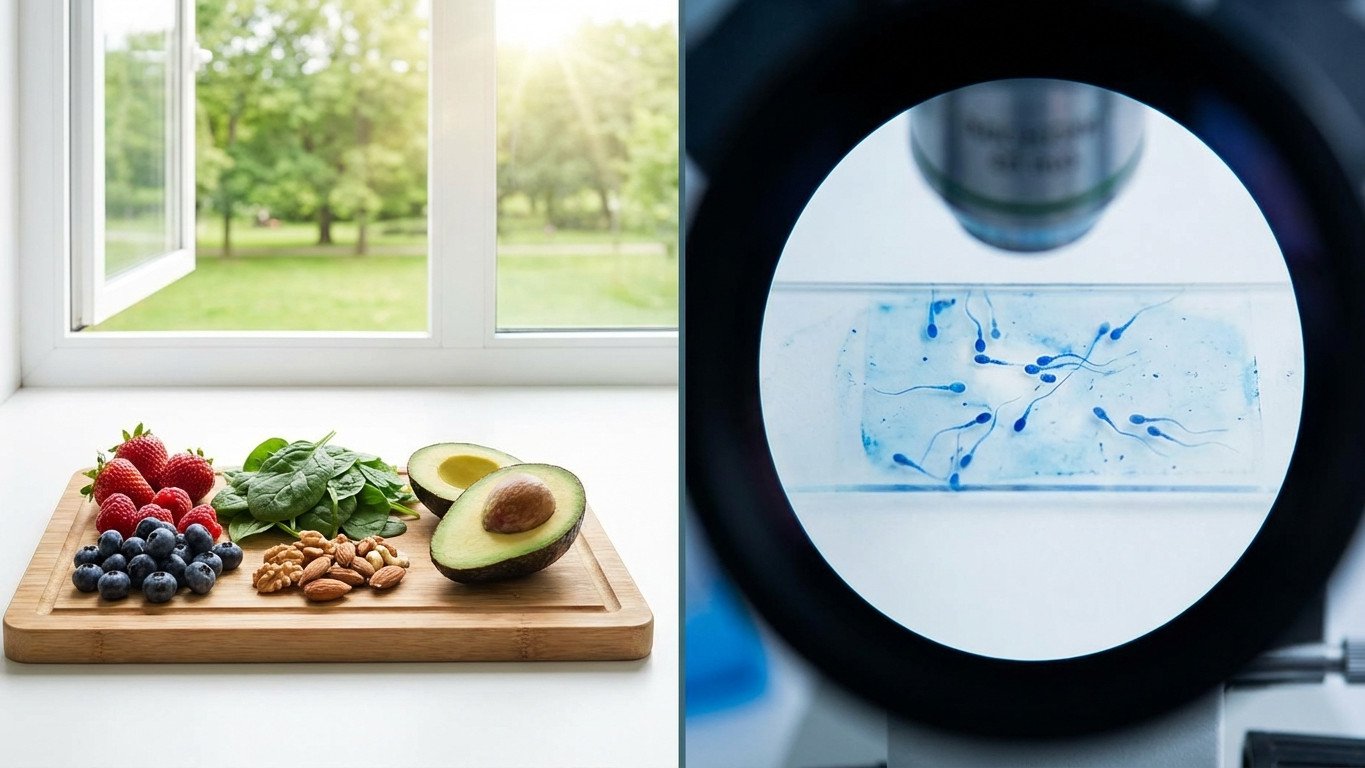
Declining male fertility is a growing global concern. This guide synthesizes current medical evidence on the critical relationship between semen quality and modifiable factors like diet and environment. We will explore specific nutritional interventions, the impact of environmental disruptors, and the emerging role of the gut and seminal microbiome in male reproductive health.
Dietary Influences on Semen Quality
Specific nutrients in the diet play a crucial role in spermatogenesis and protecting sperm from damage. Targeted supplementation can be an effective strategy to improve semen quality parameters.
- L-citrulline: This amino acid has been shown to protect testicular Sertoli cells by mitigating DNA damage. It operates via the gut-testis axis, highlighting the connection between intestinal health and testicular function, particularly in diets that may induce stress.
- Selenium and Zinc: Supplementation with selenium and zinc, especially in nanoparticle form, can improve testicular blood flow and enhance semen quality. This is particularly effective in mitigating the negative effects of environmental heat stress on fertility.
- Methionine: This essential amino acid can alter the microRNA and proteome profile of seminal plasma, suggesting a direct molecular impact on the environment surrounding sperm.
- N-acetyl-L-glutamic acid: Dietary supplementation with this compound has been demonstrated to improve overall semen quality, indicating its supportive role in male reproductive processes.
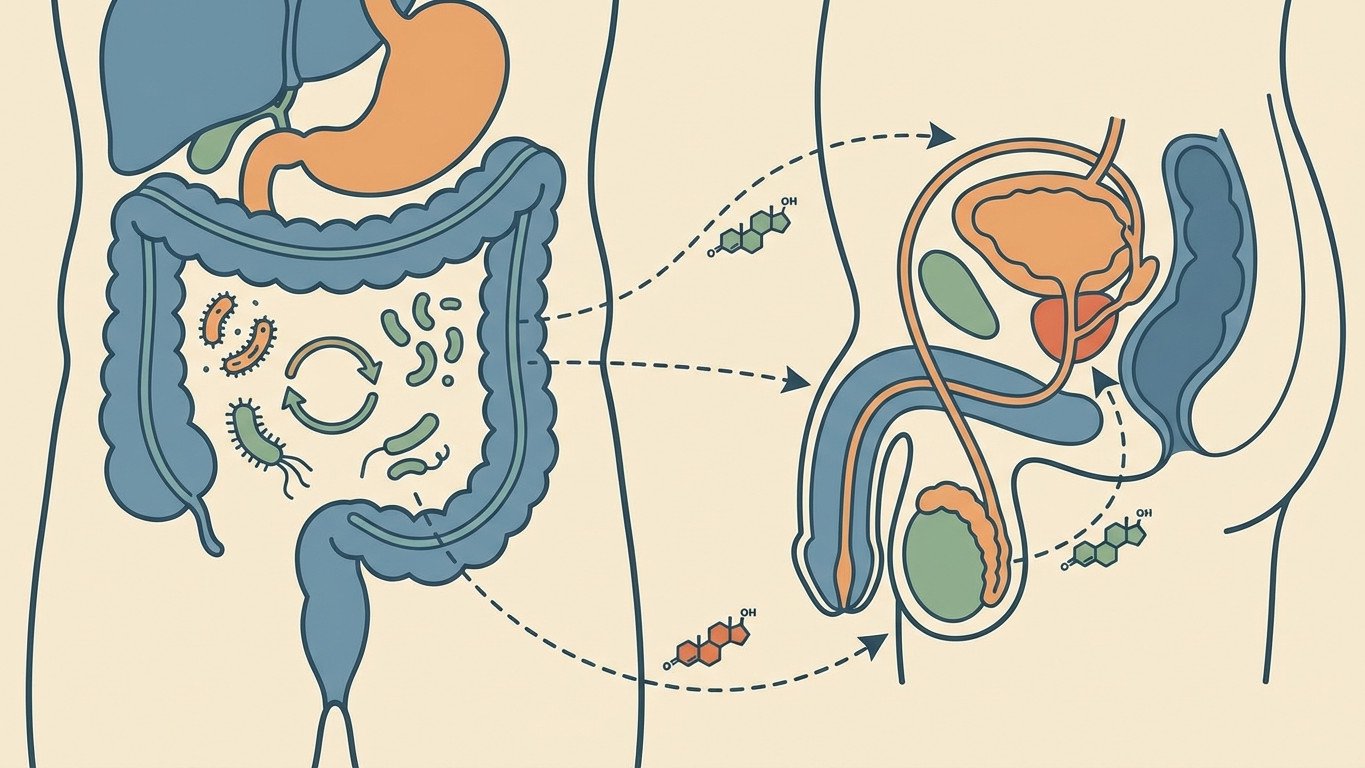 The gut-testis axis links intestinal health to semen quality.
Environmental Disruptors of Male Fertility
The environment contains numerous factors that can negatively interfere with male fertility. Exposure to heat, chemicals, and micro-contaminants is increasingly linked to poor semen quality.
- Heat Stress: Elevated ambient temperatures are a significant environmental stressor that can impair testicular function. Nutritional strategies, such as selenium and zinc supplementation, can offer a protective effect.
- Chemical Contaminants: Erucic acid, found in some industrial oils, impairs male fertility by suppressing the synthesis of retinoic acid in Sertoli cells, which is vital for sperm development.
- Microplastics: The ubiquitous presence of microplastics in our diet and environment is a growing concern. These particles are suspected endocrine disruptors and may contribute to the decline in male fertility.
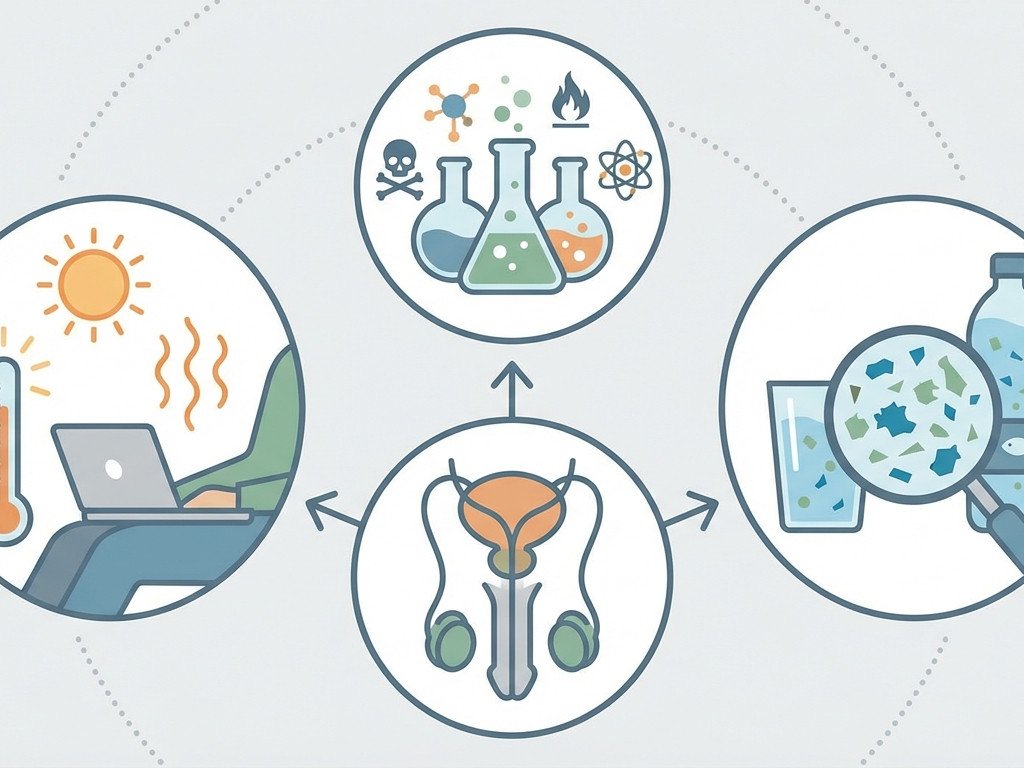 Environmental disruptors affecting male fertility.
The Microbiome's Role: Gut-Testis Axis and Seminal Health
Emerging research highlights a profound connection between the body's microbial communities and male reproductive health. Both the gut and seminal microbiomes are now considered key factors in semen quality and idiopathic male infertility.
- Gut-Testis Axis: The gut microbiome influences systemic health, including testicular function. Dysbiosis in the gut can lead to inflammation and oxidative stress that damage sperm, while nutrients like L-citrulline can mediate positive effects through this axis.
- Seminal Microbiota: The composition of bacteria within the semen itself is linked to semen quality. Studies show that diet and nutrition can directly influence the seminal microbiota, which in turn affects sperm health and function.
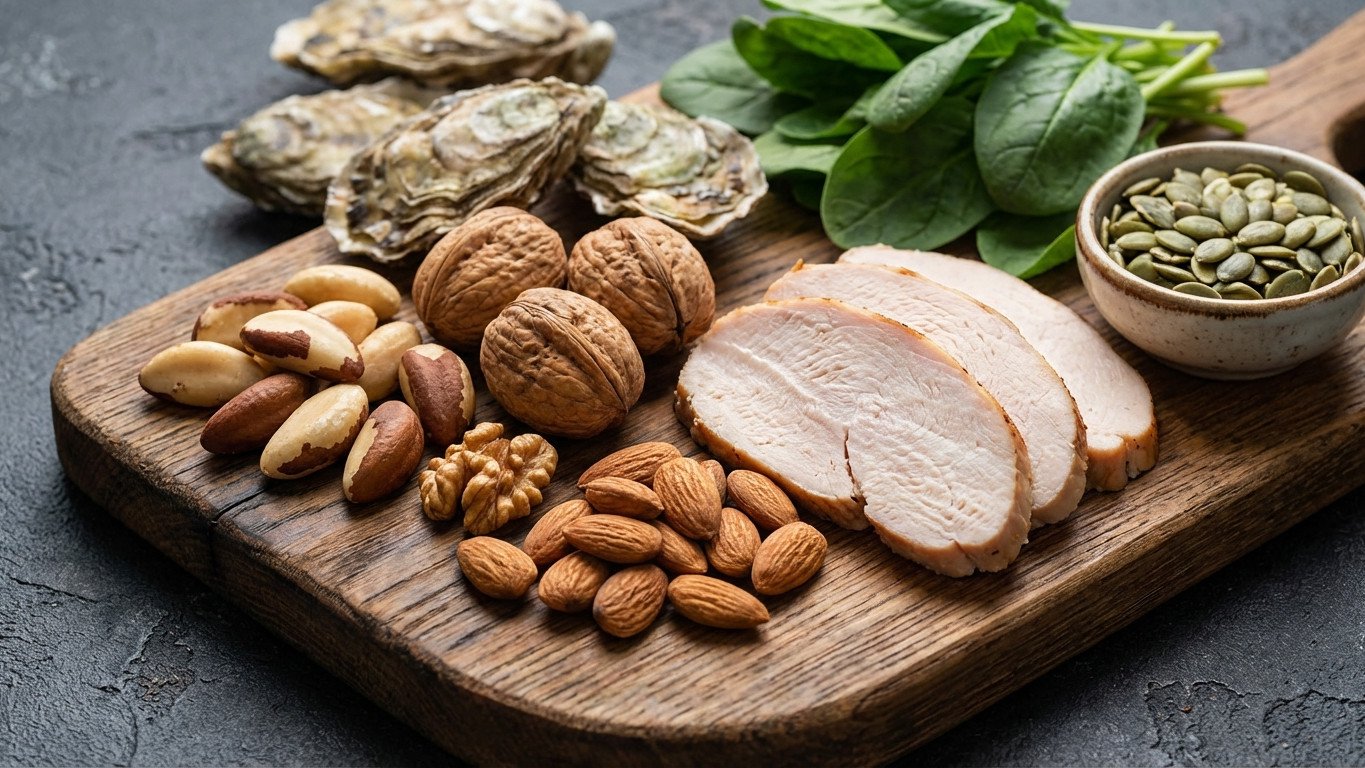 Nutrient-rich diet for improving semen quality.
Clinical Framework and Recommendations
A comprehensive approach to evaluating male infertility should include an assessment of diet and environmental exposures. Interventions should be targeted and evidence-based.
- Assessment: Inquire about dietary habits, occupational exposures, and lifestyle to identify potential risks to semen quality.
- Intervention: Recommend specific dietary modifications and targeted supplementation (e.g., zinc, selenium, L-citrulline) based on evidence. Advise on minimizing exposure to known environmental disruptors like excessive heat and potential chemical contaminants.
- Re-evaluation: Monitor semen analysis parameters after a period of intervention (e.g., 3-6 months) to assess the impact on semen quality and guide further management.
Conclusion
Improving semen quality requires a holistic approach that extends beyond conventional treatments. Addressing diet, minimizing exposure to negative environmental factors, and considering the health of the microbiome are critical, evidence-based strategies for enhancing male fertility.
References
- L-citrulline protects testicular Sertoli cell function by mitigating DNA damage via the gut-testis axis of sheep fed a high-concentrate diet. | NPJ biofilms and microbiomes | 2025 | PMID: 41168195
- Effect of selenium and zinc nanoparticles supplementations on testicular blood flow, semen, and reproductive hormones in Egyptian native goats subjected to ambient heat stress. | Domestic animal endocrinology | 2025 | PMID: 40120173
- Methionine supplementation-induced alteration of sheep seminal plasma miRNAs and proteome. | Journal of animal science | 2025 | PMID: 40495297
- Improvement of semen quality in Longyou Partridge Chicken by dietary N-acetyl-L-glutamic acid and its mechanism study. | Poultry science | 2025 | PMID: 40349463
- Erucic acid impairs male fertility by suppressing retinoic acid synthesis in sertoli cells. | Ecotoxicology and environmental safety | 2025 | PMID: 40889457
- Microplastics in our diet: A growing concern for human health. | The Science of the total environment | 2025 | PMID: 39987824
- Research trend on the emerging role of the microbiome in idiopathic male infertility. | Antonie van Leeuwenhoek | 2025 | PMID: 41241915
- Characterizing the seminal microbiota in mature rams managed on divergent planes of nutrition, and their male offspring. | Journal of animal science | 2025 | PMID: 40371922
Medical note: This article is educational and not a substitute for personal medical diagnosis or treatment.